Testimonial: Being a foster family, while waiting for adoption
Being a foster family involves close support from the DPJ, strict respect for confidentiality and the creation of a secure cocoon to promote the child's attachment.
A social worker is assigned to each child cared for by the DPJ. At the beginning, when the child arrives at our home, we have regular visits from the team of 2 workers (ours and the child's). They let us know where the biological parents are in their journey. In addition, we are presented with the documents to be completed each month, but also, we are told what we are allowed to do and what we cannot do with this child.
Sometimes, as is our case, the judge orders that the child's place of residence be kept confidential for the parents. It requires vigilance. For example, I will accompany the child for his vaccinations, but I will never have to give or sign my name on any document. We only inform the nurses or secretaries that we are a foster family for the DPJ and present the documents attesting to this. The intervener gave us a copy of the court's judgment, indicating that the child was under the responsibility of the director of youth protection and that he was placed in foster care.
The TS also reminds us that this child's story is confidential and that it belongs to him. We, as a host family, are informed about their life journey to accompany them, but it is not up to us to tell anyone, especially since it is not (yet) our child. So my mother, my friends, those around me know nothing about this child's past, they don't even know his last name. It will be up to us (Chéri and I) to tell her her story when we judge that she is old enough to learn and understand it, and not for a “lover” a bit too hot, at a family party, to launch a remark like: “We know well, she was born... (name here the situations that may have happened to the child: from a prostituted, schizophrenic, schizophrenic mother, itinerant, etc.)”. Of course, this girl will know that she was adopted, but the reasons for her adoption will be given to her at the right time.
Often, at the start of placement, the child will have supervised visits with their biological parents. We are given the choice as to whether it will be the child's counsellor who will pick him up and take him home, or if we will take him back to the youth center ourselves. These meetings generally last one hour. Their purpose is to assess the parenting abilities of biological parents. As a foster family, we are not allowed to attend these meetings, but it is up to us to “pick up” the child after them. Indeed, they often have a great influence on the behavior of these small sensitive beings and can cause them to experience a lot of contradictory feelings. The child may reject us after visits or become worried about the possibility that we will abandon them too. In short, we must be strong to support the child well through this long journey.
At the beginning, we are also reminded of the importance of the cocoon: despite the fact that the child can have contact with his biological parents, we must for our part expose him to as few people as possible in order to allow him to land at home in a healthy way. Attachment disorder is now one of the listed psychological disorders. It is our duty as a foster family to allow children to develop a relationship of trust with one or two people who will have to provide universal care for their first months of life.
To learn more about attachment disorder: https://camps.qc.ca/files/8114/2972/6488/Fiche_Trouble_de_lattachement.pdf
Interviews and testimonies
Les saines habitudes de vie avec la fibrose kystique: trouver un équilibre réaliste au quotidien
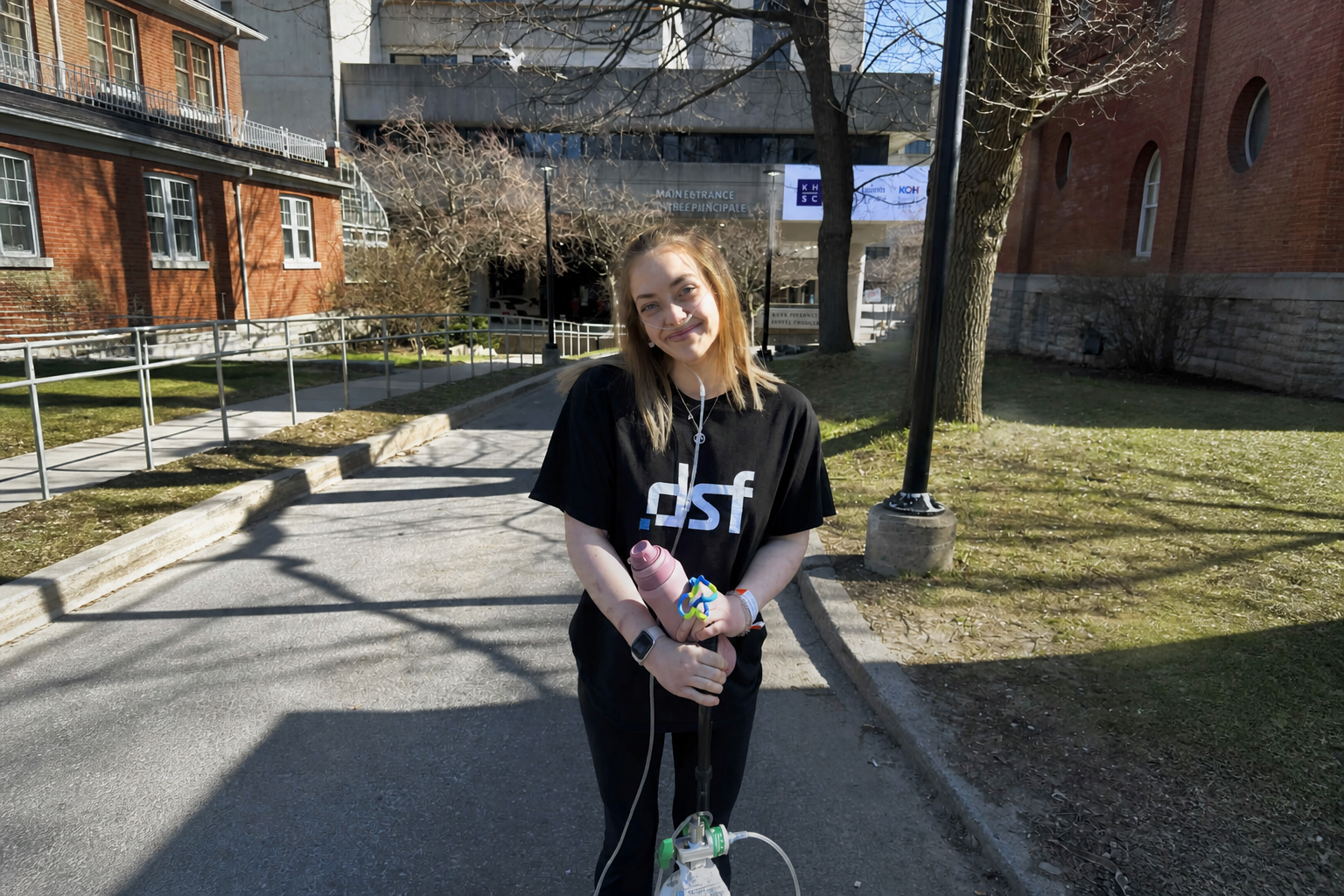
À 25 ans, Lex partage comment elle apprend à écouter son corps, à gérer son énergie et à trouver son propre équilibre avec la fibrose kystique, sans laisser la maladie définir qui elle est.
.jpg)
Aimer la vie et apprendre à la donner
Atteinte de fibrose kystique, Audrey refuse de se laisser définir par la maladie. Entre le deuil de son père, son combat pour la santé et son nouveau rôle de maman, découvrez le portrait d’une femme qui transforme chaque tempête en arc-en-ciel.