Testimonial: My adjustment disorder, CF special
A young adult living with cystic fibrosis shares her adjustment disorder, the anxiety associated with multiple diagnoses, and the importance of recognizing mental health as well as physical health.
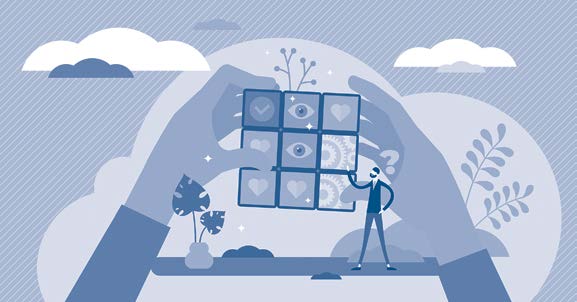
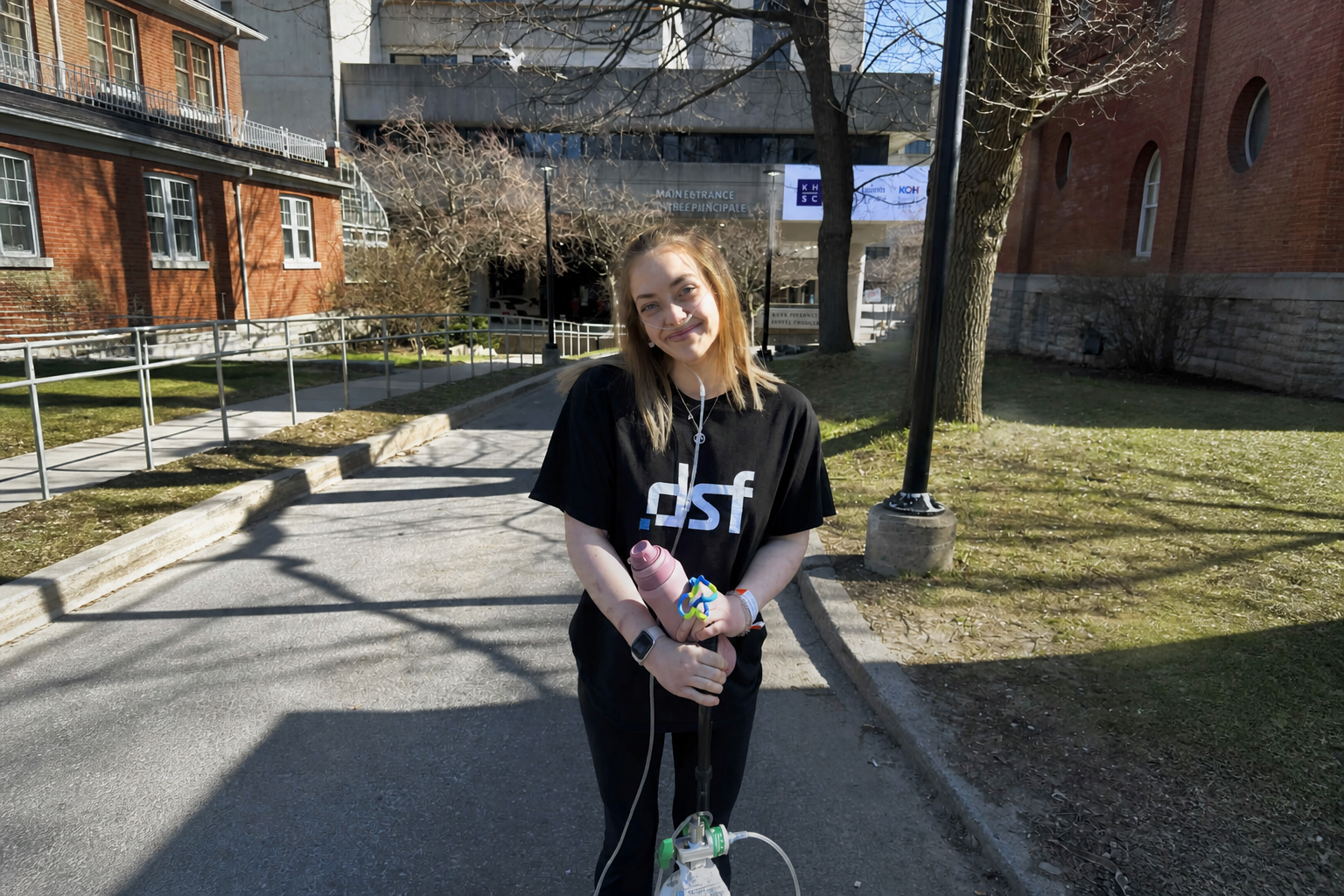
Many people with cystic fibrosis also have other health problems that can be divided into two categories of problems: physical and mental. Physical problems such as diabetes, endometriosis, hypertension, or asthma are fairly well known in people with CF. Then, for the vast majority of cases, they are treatable. However, what happens to mental problems like the famous adjustment disorder? I say it like that, but with CF, it's a much more common reality than you think! In my opinion, I have the impression that caregivers and our loved ones can tend to trivialize things that they don't need to be. I am writing this today to normalize the fact that accepting a physical or mental health condition is a different journey for everyone.
For starters, when I was diagnosed with diabetes, the lines for an appointment with a psychiatrist were very long. Even though up to date, I still haven't had any follow-up. However, I strongly believe that poorly managed anxiety can do as much damage as vitamin deficiency. Let me explain: when we are deficient in vitamin D, we can have symptoms such as being more tired, more vulnerable to catching viruses, depressed and even feeling dizzy. If you've ever had severe depression or anxiety like I did, you may have experienced some of the same symptoms. During my anxiety attacks, I experienced fatigue, demotivation, insomnia, dizziness, panic and I have already fallen ill from depression. Do all of these symptoms mean anything to you? If that's the case, you see, you're not alone.
Also, I often feel that adjustment problems are being left out. For example, a person who is diagnosed with a new diagnosis may be depressed. It is a common and normal reaction. However, I feel that talking about it openly is seen as a taboo subject. I remember the time I found out I had diabetes. The nurse was trying to explain to me how insulin worked and I couldn't leave the hospital until I gave myself at least two injections. I remember him saying to me, “It must not be too difficult for you to give yourself injections, you must be used to it.” The truth is that yes, I used to be sick and to go through a lot of treatments. On the other hand, pricking myself three times a day for the rest of my life was certainly not part of my “habit.” In addition, even though I had a lot of experiences with needles, I was still very scared. So here's my point: at that moment I felt as though my fear wasn't valid.
Then, after feeling depressed about my adjustment disorder, I had an avoidance phase. I avoided endocrinology follow-ups like the plague. I no longer wanted to do my lung treatments, I even suddenly left an appointment because I felt completely suffocated. The burden of care for cystic fibrosis, diabetes, and anxiety had become too heavy. That was when my social worker at Sainte-Justine told me that I had an adjustment disorder.
Despite everything, I got by because I had the support of my lover and my family who helped me. Now I am no longer ashamed to talk about it because for me, it was the path I had to go through to feel good about myself again.
To conclude, my adjustment disorder at the age of 18 was a big challenge. So I cry out from the heart: keep asking for help. Mental health is as important as physical health. If ever accessing a psychiatrist is too difficult, there are always resources to help you, such as:
. Social Information: 8-1-1 ext. 2
. Help and suicide prevention: 1 866 APPELLE (277-3553)
. Tel-Jeunes: www.teljeunes.com
. Crisis center of the Regrouping of Crisis Intervention Services of Quebec (RESICQ): www.centredecrise.ca/listecentres

Salaberry-de-Valleyfield
Interviews and testimonies
Les saines habitudes de vie avec la fibrose kystique: trouver un équilibre réaliste au quotidien
À 25 ans, Lex partage comment elle apprend à écouter son corps, à gérer son énergie et à trouver son propre équilibre avec la fibrose kystique, sans laisser la maladie définir qui elle est.
.jpg)
Aimer la vie et apprendre à la donner
Atteinte de fibrose kystique, Audrey refuse de se laisser définir par la maladie. Entre le deuil de son père, son combat pour la santé et son nouveau rôle de maman, découvrez le portrait d’une femme qui transforme chaque tempête en arc-en-ciel.