Health file: Lung transplantation
A file that traces the major advances in lung transplantation for people with cystic fibrosis, highlighting their resilience, the evolution of transplant criteria and the major impact of treatments such as Trikafta.
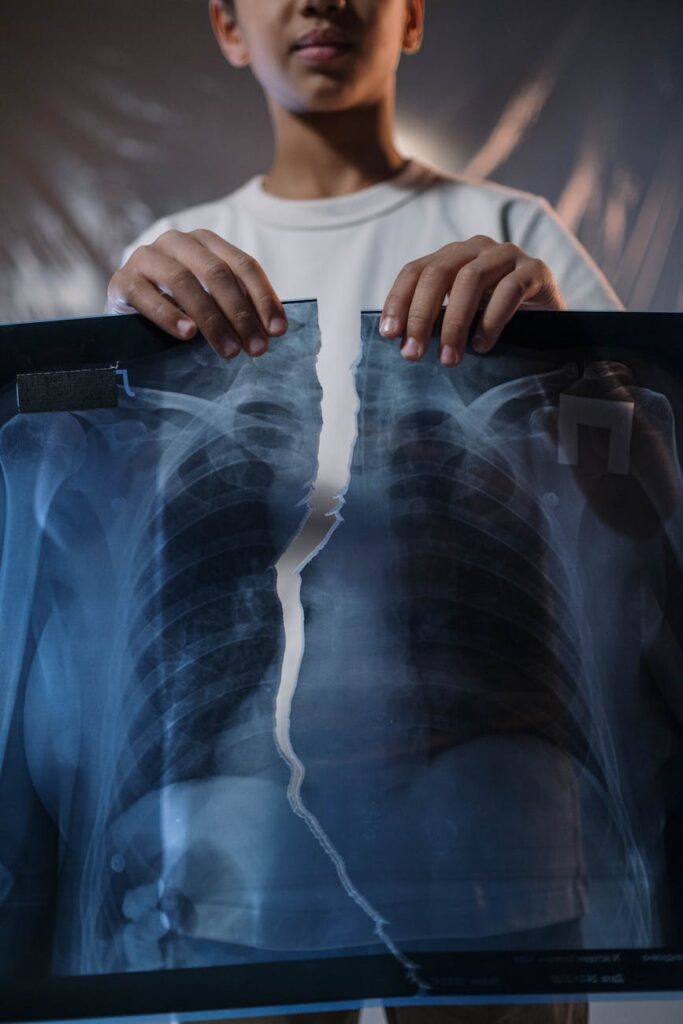
CF transplant patients still ready to beat the statistics
Karine Rancourt, a privileged witness to the progress of lung transplants
Revision: Roger Clavet
Karine Rancourt is well placed to note the remarkable progress made over the years in lung transplants. A clinical nurse at the CHUM for nearly 30 years, specializing in transplantation, she says that patients with cystic fibrosis are fantastic and that they are not the type to give up.
“CF transplant patients have a very strong resilience. They are very resourceful. Before the transplant, they have already learned how to survive. They are always ready to exceed the statistics,” she confides during an interview to assess the state of affairs in terms of lung transplants in Quebec.
In the front row to observe
Over the years, the woman who has already monitored the health status of 175 CF patients in her cohort has been at the forefront of assessing in particular the favorable evolution, over the years, of lung transplants in the CF community. However, she does not underestimate its seriousness.
“Lung transplantation does not solve everything. It's still an eight-hour invasive surgery that will require lifelong treatments. The aim of transplantation remains to increase the quality of life of patients”, recalls Karine Rancourt, aware of the challenges that remain to be met despite the undeniable progress of recent years in lung transplantation.
However, since the early 2000s, this transplant nurse has drawn up an impressive record of the success and survival rates associated with transplants for the CF community since the beginning of the 2000s.
At the beginning, she recalls, for candidates over the age of 14, the eligibility criteria required a minimum weight of 45 kg or a body mass index (BMI) greater than 16. l Sometimes, debilitated patients even had to be fed by tube (jejunostomy, gastrostomy). Transplantation remains the only possible survival option before transfer to palliative care.
Today, a weight criterion is still to be respected in order to be able to do the transplant because of the devices (endotracheal tube; retractors for surgery, etc.). Patients should weigh at least a minimum of 35-40 kg and aim for a BMI of 16 and over.
“At the time, we didn't accept patients who were intubated. Only transplant candidates who were still able to walk, with potential for rehabilitation, were eligible for transplantation. Despite these constraints, we still carried out about thirty transplants per year, a third of which were CF. Between 50 and 100 patients remained waiting for a transplant. Mortality during the wait was very high. We lost a third of them,” recalls Karine Rancourt. In Quebec, a third of patients waiting on the Transplant Québec list were CF, the others were mainly affected by interstitial diseases and emphysema.
No more first-come, first-served
Then, as early as 2011, transplant centers developed emergency lists that now take into account the severity of the health condition of waiting patients, and no longer an eligibility based solely on the “first come, first served” principle based on the blood type and waiting time that prevailed until then.
“With the creation of an emergency list, we were able to prioritize patients according to their critical condition, in intensive care or not, intubated or not, and no longer on the basis of their rank on the file alone. We also changed the age limits in place for both donors and recipients. Today, we see donors who are 70 and recipients who are 75. We have also expanded the pool of marginal donors by accepting, for example, smokers and other categories of potential donors who were previously excluded,” says the CHUM specialist.
The Trikafta entry on the scene
Around 2018-2020, the “wonder drug” Trikafta also came on the scene gradually. “When the drug was still at the research protocol level, I treated patients waiting for lungs who were already taking this medication. Their case quickly improved to the point of removing them from the transplant waiting list. The treatment was very expensive at the time and few people had access to it. Things have changed a lot since then,” says Karine Rancourt with satisfaction.
According to her, new treatments and the appearance of almost miraculous cures do not automatically spell the death knell for cystic fibrosis. “CF does not disappear by magic after transplantation, argues the clinical nurse. The disease often remains present in other target organs such as the sinuses, pancreas, diabetes, and digestive system enzymes.”
Ultimately, concludes the clinical nurse at the CHUM, the patient, transplanted or not, must be able to get on with his life. “It's like a 2E life that is given to him.”
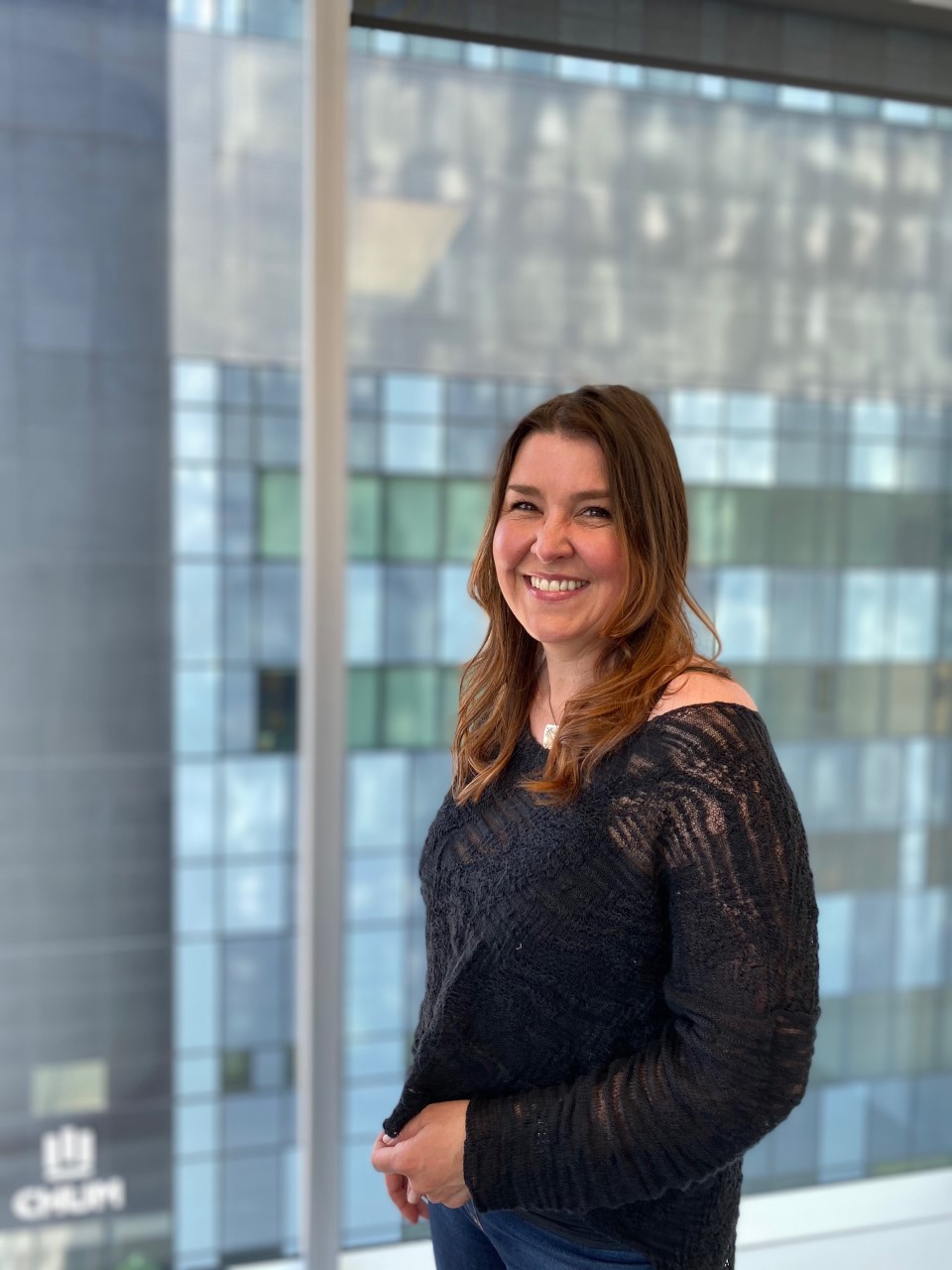
Karine Rancourt
Clinical nurse at the CHUM
Karine Rancourt is a clinical nurse at the CHUM. She has over 30 years of clinical experience as a nurse and more specifically, has 27 years of experience in lung transplantation. Since 1998, she has been a pioneer in the development of the CHUM lung transplant program, unique in Quebec, in collaboration with the medical team of Dr. Pasquale Ferraro and the pulmonologist Dr. Charles Poirier. Ms. Rancourt has developed an experience in remote expertise, following patients throughout eastern Canada, both in the Maritimes and in Ontario. She also has extensive experience in active, long-term and palliative care, as well as in management as a head nurse assistant in various care units. A popular guest speaker at numerous medical and scientific organizations at symposiums and training activities, she is recognized for her skills in communicating with the media and in popularizing science. Her career has led her to university internships in lung transplantation in Pittsburgh, Pennsylvania, and Stanford, California. Currently, Ms. Rancourt has joined the kidney transplant team at the CHUM and is continuing her career in multi-organ transplantation.
Cystic fibrosis

The story, step by step, of the rise of Marc-Antoine Pelège, athlete and CF osteopath
The inspiring story of Marc-Antoine Pelège, an athlete and osteopath living with cystic fibrosis, who tells the story of his ascent of Kilimanjaro step by step as a symbol of overcoming, resilience and hope for the entire CF community.