Cystic Fibrosis Research: Hope and Challenges
Research has profoundly improved the prognosis of cystic fibrosis thanks to CFTR modulators, with new hope for all patients despite challenges in accessing treatments.
Dr Andre Cantin
Pulmonologist
Full Professor, Department of Pulmonology
Sherbrooke University Hospital Center (Quebec)
September 3, 2021
Cystic fibrosis is an inherited condition. This disease occurs when the child receives a gene Cystic Fibrosis Transmembrane Conductance Regulator (CFTR)) defective from each parent at conception. Cystic fibrosis only occurs if both CFTR genes (one from the mother, the other from the father) are defective. A parent carrying only one gene CFTR Defective has no symptoms and therefore it is impossible for the couple to know that their future children are at risk of cystic fibrosis. Until recently, this disease was described as the most common “fatal” genetic disease. Thanks to major advances in research, patient care ensures that this description is no longer true. Today, it is more accurate to say that cystic fibrosis is a common genetic disease (in Quebec, it affects one birth in 2,500 and 1,200 patients in total) and that the prognosis is very good for the majority of patients, thanks to new treatments, including CFTR modulators.
The discovery of CFTR modulators is so transformative in the lives of people with cystic fibrosis that it is similar to the discoveries of insulin and penicillin in the treatment of diabetes and infections. However, as with these two diseases, there are still challenges to be met in cystic fibrosis. If the past is a guarantee of the future, the cystic fibrosis community will be able to overcome them brilliantly — that's for sure.
The absence of the functional CFTR protein in tissues particularly affects tissues characterized by tubular structures that produce an abundance of mucus. Affected tissues include the bronchi, sinuses, pancreas, pancreas, pancreas, liver, intestine, and vas deferens (channels that transport sperm from the testicles to the seminal vesicles). The result is pancreatic insufficiency from birth in the majority of newborns, which leads to poor absorption of fats, vitamins and other essential nutrients in the newborn. The child may have an intestinal blockage (meconium ileus) requiring emergency surgery and/or growth retardation accompanied by abnormally abundant oily stools. Bronchial involvement is characterized by repeated respiratory infections. Without routine screening for cystic fibrosis in all newborns, diagnosis and treatment can be delayed considerably, with long-term negative effects. Fortunately, for three years, neonatal screening has been done on the drop of blood taken from the heel of each child born in Quebec. This initiative ensures that there is no longer a delay in the diagnosis of cystic fibrosis. Children receive appropriate care at an early age, which preserves their health while waiting for the correction of the basic defect with CFTR modulatory treatment.
To better understand what a CFTR modulator is, we must first understand the basic defect in cystic fibrosis. CFTR is a protein that normally fits into the cell membrane just under the mucus layer. The function of CFTR is to control the passage of chloride and bicarbonate through the mucus. The more chloride there is in the mucus, the more sodium there is. Sodium chloride is table salt. The salt in the mucus attracts water, which helps to moisturize the mucus and make it more fluid. In the absence of CFTR, mucus contains little water. The mucus becomes very viscous, sticks to the tissue, and is then difficult, if not impossible, to release. The beneficial effect of CFTR is to thin the mucus. Nine out of ten people with cystic fibrosis have the same CFTR molecular defect, a mutation called the F508del allele. A therapy that can correct the function of proteins derived from this allele would help 90% of people with cystic fibrosis. That's what the new CFTR modulator, the Trikafta, does.
Clinical studies of Trikafta in people with cystic fibrosis who have at least one F508del allele confirmed the effectiveness of CFTR modulation. People with cystic fibrosis have sweat glands that are unable to absorb chloride, so their sweat is particularly high in salt. The salt concentration in the sweat of patients taking Trikafta decreases by 41.8 nmol per liter, which demonstrates a very effective correction of CFTR. More importantly, after one week of therapy, respiratory function improves by an average of 14.3 percentage points and this improvement is maintained in the long term. People treated with Trikafta reported a subjective improvement of 20 points on the CFQ-R questionnaires, which is five times higher than the minimum threshold considered clinically significant. Several very severely affected patients (respiratory function reduced to less than 30% of the normal value) waiting for a lung transplant were removed from the transplant list and were able to return to work and an active life as a result of treatment with Trikafta. The need for pancreatic enzymes and insulin has also decreased, and the bronchial damage noted on CT of the chest has decreased. These are unexpected results that offer enormous hope for the vast majority of people living with cystic fibrosis. However, there are some people with the F508del allele for whom Trikafta does not have the expected effects. In addition, 10% of people with cystic fibrosis do not have an F508del allele and therefore cannot benefit from Trikafta.
Currently, the only other CFTR modulator with an effectiveness similar to Trikafta is Kalydeco, a drug approved for people with a specific CFTR defect that only affects 2 to 5% of people with cystic fibrosis. On the other hand, there are several other possible solutions for people in whom neither Trikafta nor Kalydeco works: traditional pharmacological approaches and gene therapy.
In 2021, we are still immersed in the fourth wave of a pandemic that seems to be dragging on forever. One of the few benefits associated with this pandemic is the propulsion of RNA technology to the forefront of science. We've all heard of RNA vaccines, but what is this RNA technology? The genetic code is composed of long sequences of four recurrent nucleic bases linked together by two strips of sugar called ribose (or deoxyribose). This genetic code is stored in the nuclei of our cells in the form of deoxyribonucleic acid or DNA. Each of our 30,000 genes is found in this DNA that makes up our genome. When our cells make a protein like CFTR, they make a copy of a part of our genome, and that protein-specific copy is composed of ribonucleic acid, or RNA. The RNA molecule is therefore much smaller than our genomic DNA and it codes specifically for a single protein or a single piece of protein. The COVID-19 RNA vaccine includes RNA copied from a very small portion of the SARS-CoV-2 virus genome. Once RNA enters a human cell, two things happen quickly. First, the cell starts to destroy viral RNA so that viral material never fits into our genome and second, our cells use RNA to make the protein specified by its genetic code. This protein induces the immune reaction that allows us to be protected against COVID-19. The RNA is then completely removed from our cells.
RNA technology is therefore a very useful new tool for delivering therapeutic proteins that have a transitory effect inside our cells without affecting our genome. Researchers have used this technology to inhibit the excessive absorption of sodium by the ENaC protein, which is a direct consequence of the absence of CFTR, and to remove the transcription errors characteristic of defective CFTR alleles, which are mainly found in the 10% of patients who do not respond to Trikafta.
There are also major advances in gene therapy using a technology for the permanent integration of normal CFTR DNA into the genome of defective bronchial cells. Until recently, DNA gene therapy encountered serious obstacles related to safety and therapeutic effectiveness in correcting CFTR. Major discoveries in the fields of CRISPR Cas9 (the equivalent of remote-controlled molecular scissors) and vectors (tools for delivering a gene to a cell) have allowed researchers at the Sick Kids Hospital in Toronto and elsewhere to transfer the normal and functional CFTR gene safely into the genome of cells. This research opens the door to gene therapy studies for people with cystic fibrosis who do not respond to CFTR modulators.
Finally, traditional pharmacology is also a source of great hope for patients who cannot benefit from CFTR modulators. The vast majority of patients who do not respond to modulators have at least one CFTR allele with a mutation that forces CFTR transcription to stop prematurely. This results in a severe defect in CFTR function and severe illness. A new molecule, ELX-02, is under clinical study in this group of patients. For now, the studies are only targeting people with an allele for premature transcription arrest such as G542X, but if the results are successful the studies could be extended to other people with cystic fibrosis who carry an allele for premature transcription arrest. This research affects everyone with cystic fibrosis. There has never been as much hope in cystic fibrosis as there is now. Several challenges, including access to medication, persist and will not disappear without our efforts. We need to work together to support ongoing research that will help 100% of people with cystic fibrosis and also to ensure that everyone can have access to new, highly effective treatments as soon as possible. Unity is strength: let's be strong.
Research

Antibiotic resistance and Pseudomonas virulence: two sides of the same coin
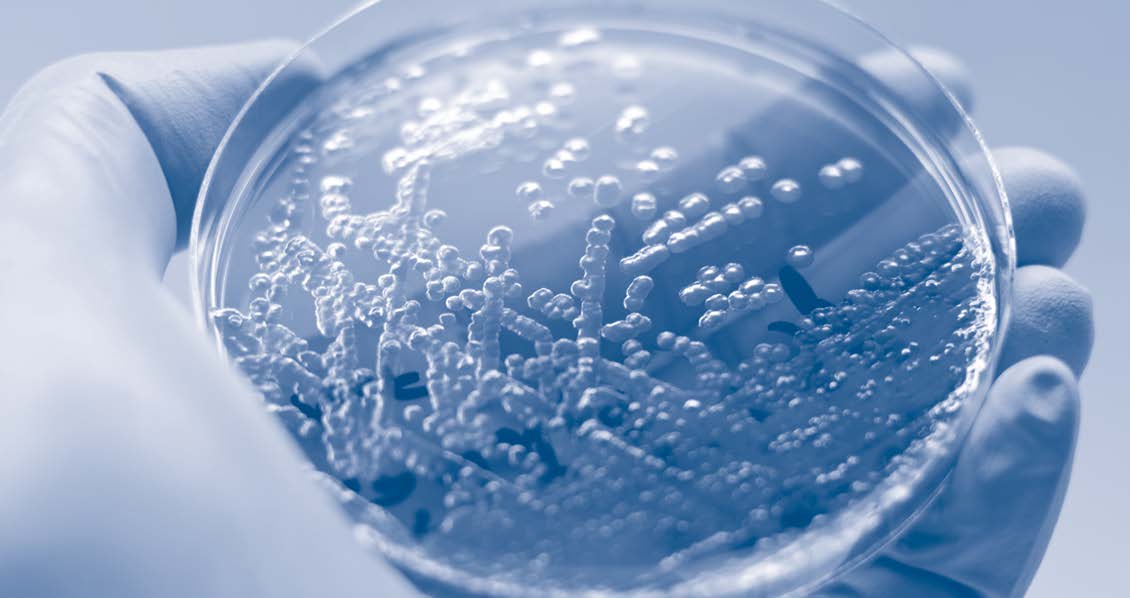
In people with cystic fibrosis, some resistance to antibiotics caused by Pseudomonas aeruginosa may paradoxically increase bacterial virulence, complicating lung infections and opening the way to new therapeutic approaches.